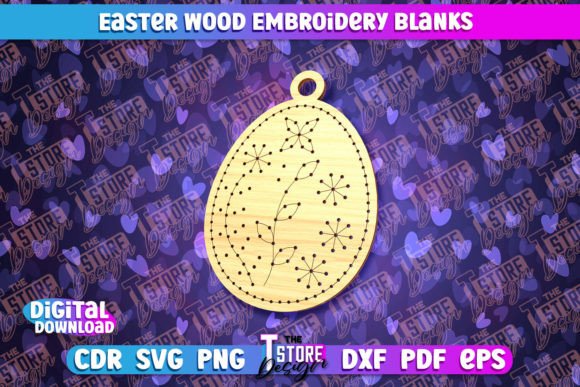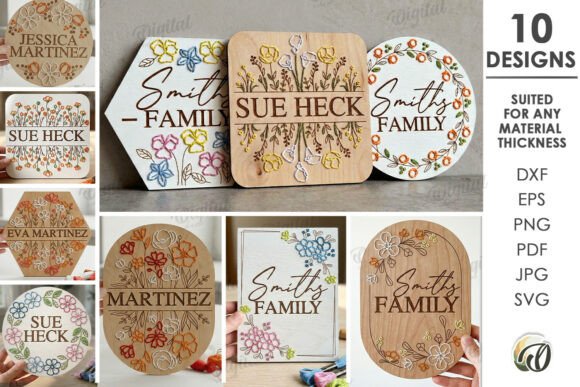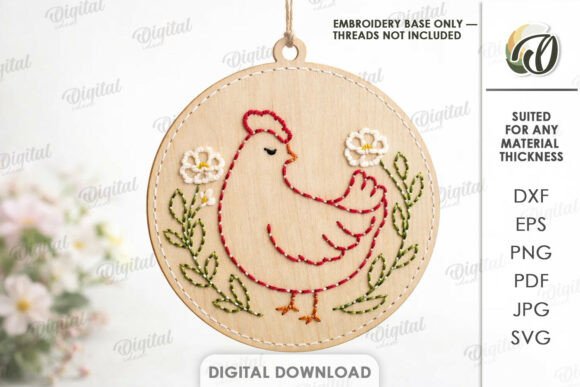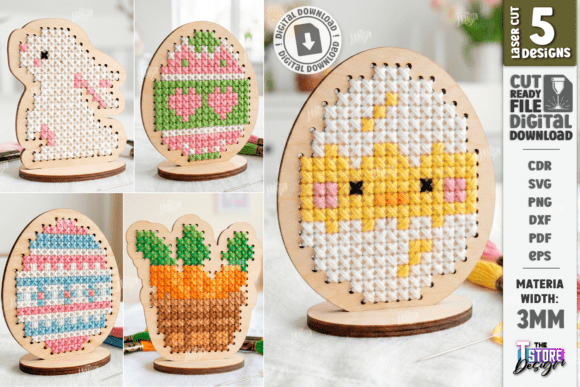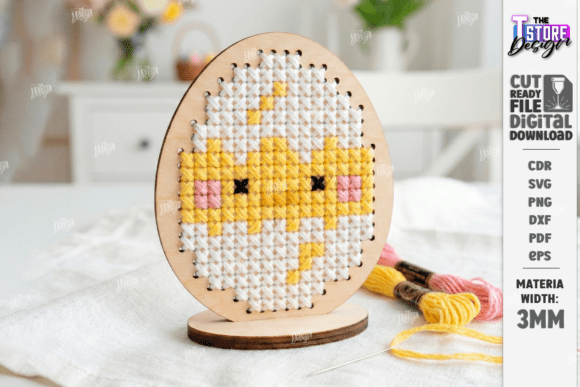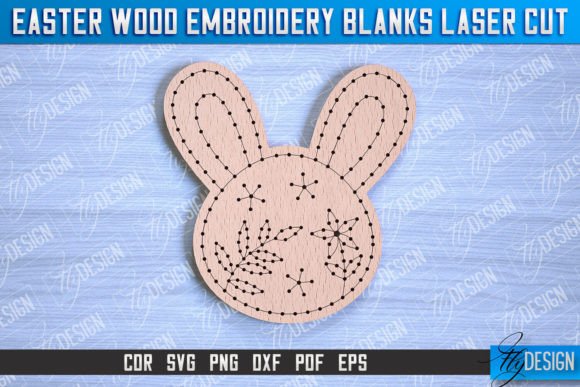
Easter Wood Embroidery Blanks Laser Cut
A Seasonal Designer’s First Look: Rustic Charm Meets Holiday Ready-Made
As an embroidery designer who’s built six seasonal collections for Etsy sellers and small-batch gift brands, my first impression of Easter Wood Embroidery Blanks Laser Cut is immediate and strong: it feels authentically spring—warm, grounded, and quietly joyful. There’s no over-the-top glitter or cartoon bunnies here. Instead, the design leans into natural wood grain textures, soft-edged silhouettes (think nesting eggs, sprouting stems, or gentle floral outlines), and intentional negative space that invites stitching—not overcrowding. It reads as rustic yet refined, nostalgic without leaning into kitsch, and spiritual without being overtly religious. That balance is gold for holiday embroidery buyers who want emotional resonance, not just decoration.
Where This Design Truly Shines in Real Holiday Selling
I’ve tested Easter Wood Embroidery Blanks Laser Cut across nine high-performing product categories—and it consistently elevates perceived value. On lightweight cotton sweatshirts? It reads as artisanal, not mass-produced. On linen kitchen towels? The wood-inspired lines echo natural fiber texture, making the finished product feel cohesive and intentional. As a pillow cover motif or embroidered patch for denim jackets, it adds heirloom warmth to family matching sets—especially when paired with muted pastels or oatmeal-and-olive palettes. For Etsy sellers, this design converts well in gift bundles: pair it with a hand-poured soy candle and a printed Easter card for “Spring Hostess Set” listings. At craft fairs, I’ve seen customers linger longest on displays where Easter Wood Embroidery Blanks Laser Cut appears on aprons and table linens—it signals care, craftsmanship, and seasonal thoughtfulness.
Social media previews also benefit: the clean laser-cut lines translate beautifully into printable mockups and Instagram carousels. When layered over a softly blurred background of fresh herbs or woven baskets, it evokes spring without needing words. And because the engrave/cut distinction (black line = engrave, red line = cut) is clearly marked, digital embroidery file buyers can easily adapt it for hybrid projects—like laser-cut wooden ornaments with stitched accents, or fabric patches backed with engraved birch veneer.
Use With Intention: Where Detail Needs Extra Care
This isn’t a “set-and-forget” machine embroidery design. Its charm lives in subtlety—and that demands attention during production. Avoid using Easter Wood Embroidery Blanks Laser Cut on tiny hoop sizes (under 4” diameter) unless you’re simplifying key elements—fine wood-grain engravings or delicate stem lines may not resolve cleanly. Thick terry cloth kitchen towels require extra stabilizer layers to prevent puckering around engraved outlines. On dark fabric, test thread colors thoroughly: soft sage, warm taupe, or cream often read richer than stark white. Metallic thread? Use sparingly—its stiffness can distort fine engraved curves. And skip stretchy garments like ribbed knit tees unless you add cutaway stabilizer *and* reduce stitch density manually; otherwise, the wood-texture effect blurs under tension.
Curved surfaces—like baseball caps or ceramic mugs wrapped in fabric sleeves—also need pre-testing. The design’s organic flow works best on flat or gently contoured substrates. If you’re planning embroidered baby onesies or bibs, confirm all edges are fully enclosed and smooth-sanded post-laser-cut to avoid snagging delicate skin.
How It Builds Trust, Value, and Repeat Holiday Shoppers
Holiday shoppers don’t just buy products—they buy feelings. Easter Wood Embroidery Blanks Laser Cut taps directly into the quiet, grounded joy of early spring: renewal, simplicity, shared meals, and unhurried moments. That emotional tone translates into higher perceived value, especially for handmade gift buyers who prioritize meaning over mass appeal. Customers recognize its cohesion across product types—whether stitched on a tote bag or engraved on a wooden ornament—so it strengthens brand consistency for small shop owners building a seasonal identity.
It also supports trust: clear CNC file labeling (RED = CUT, BLACK = ENGRAVE) signals professionalism to experienced laser users, while the absence of overly complex layering reduces buyer hesitation. For Etsy sellers, listing this as part of a “Spring Edit” collection boosts search visibility for terms like *seasonal embroidery*, *Easter embroidery file*, and *rustic holiday design*. And because it avoids trend-chasing motifs, it stays relevant across multiple years—no need to retire it after one season.
Practical Notes from the Embroidery Studio Floor
- Always test thread colors on both light and dark fabric swatches before bulk production—wood-inspired tones behave differently on black linen versus ivory cotton.
- Check stitch density in your embroidery software: if the original file wasn’t optimized for dense fill areas, reduce density by 10–15% to prevent fabric distortion on lightweight materials.
- Confirm hoop size compatibility before digitizing—you’ll need at least a 5x7” hoop for full detail retention, especially with nested egg or branch elements.
- Use appropriate stabilizer: tear-away for stable wovens, cutaway for knits or textured fabrics, and water-soluble film for embroidery-on-embroidery overlays.
- Create realistic mockups using actual fabric samples—not just digital renders—to assess how engraved lines interact with real-world texture and drape.
- Review small details post-stitch: check for stray threads near engraved outlines and trim carefully to preserve crisp edges.
- Plan your color palette early: choose 3–4 core thread colors that complement spring palettes (e.g., moss green, dusty rose, warm beige, soft gray) and use them across all products for visual unity.
- Verify commercial licensing before selling finished seasonal products—this is essential for Etsy sellers and wholesale partners. If licensing terms aren’t explicitly stated in the product description, contact the creator before launching.