September Birth Flower Aster Embroidery
A Designer’s First Look: Charm, Clarity, and Quiet Confidence
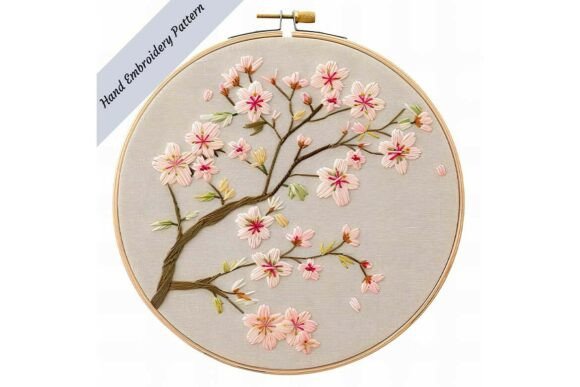
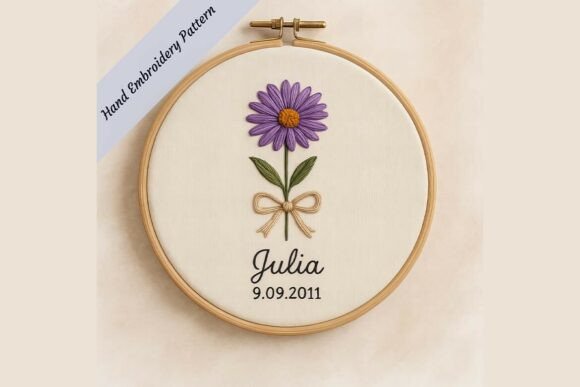
As someone who’s stitched over 300 custom birth flower pieces for baby blankets, wedding keepsakes, and boutique gift lines, I opened the September Birth Flower Aster Embroidery pattern with quiet anticipation—not hype. What greeted me wasn’t a fussy botanical diagram or an overly stylized icon, but a gentle, balanced floral motif: three open aster blooms with soft petal layers, slender stems, and subtle leaf clusters. It feels elegant but approachable, seasonal without being dated, and distinctly handmade—not machine-perfect, but intentionally organic in line and flow. That warmth matters. When customers search for a personalized gift tied to September birthdays—whether for a newborn, a 50th anniversary, or a teacher appreciation tote—they’re not just buying stitches; they’re buying meaning. This design delivers that emotional resonance right out of the PDF.
Where This Design Truly Shines: From Nursery to Nuptials
The September Birth Flower Aster Embroidery is quietly versatile—especially for makers serving heartfelt gifting moments. On a soft cotton baby blanket, its delicate scale reads as tender and timeless—no overwhelming detail, no sharp angles. As baby embroidery, it pairs beautifully with monogrammed initials or a simple “Born in September” banner beneath. For wedding gifts, stitch it onto linen pillow covers or embroidered kitchen towels—its natural grace complements rustic, modern, and vintage aesthetics alike. I’ve already sketched mockups for a neutral-toned nursery wall hanging (paired with a tiny moon phase) and a sage-green apron for a florist’s bridal shower gift—both feel cohesive, personal, and gift-ready.
Small shop owners and Etsy sellers will appreciate how easily this design integrates into product storytelling. Use it as a printable mockup on your listing page—a clean photo of the design stitched on oatmeal linen, laid across a folded towel or pillow cover. That visual instantly signals quality, intention, and handmade care. Customers scrolling for a personalized gift pause longer when they sense authenticity—and this pattern carries that weight without shouting.
Smart Placement Matters: Know When (and Where) to Stitch
While graceful, the September Birth Flower Aster Embroidery isn’t universally forgiving. Its charm lies in fine petal definition and stem taper—details that soften or blur on certain surfaces. Avoid placing it on:
- Stretchy baby clothes (like knits or interlock)—stitch tension can distort petal shape;
- Thick, textured towels—dense terry loops swallow fine lines; consider simplifying outer petals or using heavier thread;
- Curved surfaces (mugs, curved tote seams)—distortion risk increases without careful hooping and stabilizer support;
- Dark fabric without contrast testing—some PDFs include recommended thread colors, but always verify legibility on your base fabric before final stitching;
- Products requiring frequent washing (like dish towels)—reinforce with tear-away + cut-away stabilizer, and advise customers on gentle care in your listing.
Why This Pattern Builds Trust—and Sales
In my experience, customers don’t just buy embroidery—they buy confidence in the maker’s eye. The September Birth Flower Aster Embroidery signals attention to symbolism (asters represent love, wisdom, and faith), thoughtful scale, and beginner-friendly structure—yet still feels special enough for heirloom use. That balance elevates perceived value. A $48 embroidered pillow cover feels justified when the floral motif reads as intentional, not generic. It also strengthens customer trust: when buyers see consistent, well-executed aster motifs across your Etsy shop or local craft fair table, they begin to associate your brand with quiet elegance and emotional intelligence in design.
For digital product sellers offering digital embroidery files, this pattern fits cleanly into curated bundles—think “Birth Flower Collection: Sept–Nov” or “Botanical Keepsake Set.” Tag it thoughtfully: Patterns, Graphics, floral embroidery, hand embroidery PDF. But remember—its real strength is in the finished product. Let your photography show texture, thread sheen, and context (a stitched tote beside a coffee cup, a pillow cover on a sunlit sofa). That’s where engagement deepens.
Practical Notes Before You Stitch—or Sell
Before stitching your first customer piece—or listing this as a commercial embroidery option—take these steps:
- Test on scrap fabric matching your intended product (e.g., terry cloth for towels, quilting cotton for blankets);
- Check thread color contrast under both natural and indoor light—some PDFs suggest palettes, but monitor for dullness on dark bases;
- Confirm hoop size compatibility—if marketing for beginners, ensure it fits standard 5”–6” hoops without re-hooping;
- Review stitch density—low-to-moderate density means less bulk on lightweight fabrics and faster stitching time;
- Use proper stabilizer—especially for knits or loosely woven linens; skip this step, and petal edges may pucker;
- Compare light/dark fabric mockups—subtle details vanish on black or navy unless thread is highly saturated;
- Inspect small details post-stitching—petal tips, stem junctions, and leaf veins should hold clarity;
- Verify commercial licensing—if selling finished goods, confirm the embroidery file permits resale of physical items (not just digital distribution).
None of this is about perfection—it’s about honoring the intent behind the September Birth Flower Aster Embroidery: to be a quiet, meaningful touchpoint between maker and recipient. Whether you're stitching a baby’s first blanket, prepping a wedding gift inventory, or building a signature line of small shop products, this design earns its place—not because it’s flashy, but because it’s faithful. Faithful to the flower. Faithful to the season. And faithful to the people who’ll hold it, use it, and keep it close.