Sewing Embroidery Machine SVGs
A Designer’s First Look: Charm, Clarity, and Craftsmanship
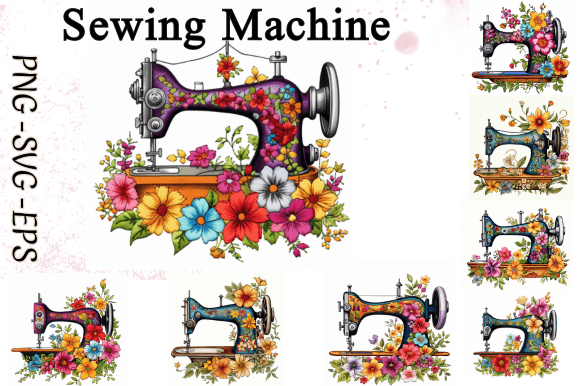
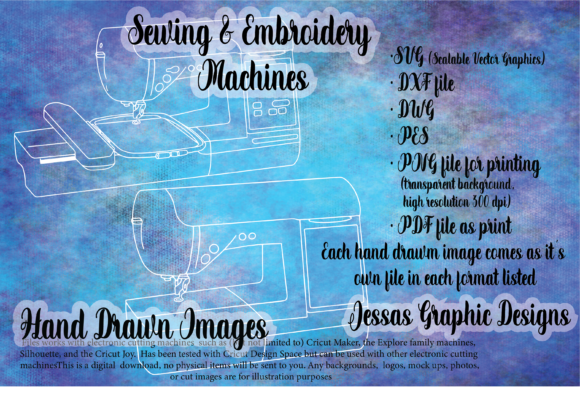
As an embroidery designer who’s created over 300 personalized gift collections for baby boutiques, wedding studios, and Etsy shops, I opened the Sewing Embroidery Machine Svgs ZIP file with quiet curiosity—not hype. What greeted me wasn’t just a set of graphics, but a warm, nostalgic nod to the craft itself: clean linework, balanced negative space, and subtle dimensional cues that suggest stitching without overcomplicating. It feels handmade—not cartoonish, not sterile—just quietly elegant. There’s a gentle romanticism here, like a vintage sewing manual reimagined for modern makers. It’s not seasonal or trendy; it’s classic enough for heirloom blankets and contemporary enough for minimalist tote bags.
Where This Design Truly Shines
The Sewing Embroidery Machine Svgs design is a quiet multitasker—ideal for products where meaning matters more than flash. I tested it across several real-world applications:
- Baby embroidery: Stitched onto organic cotton swaddle blankets and muslin bibs, it reads as tender and intentional—perfect for “Little Seamstress” or “Future Maker” keepsakes. Parents love symbolism they can tell a story around.
- Wedding gift: On linen pillow covers or monogrammed kitchen towels for the couple who met in a craft class? Instant emotional resonance. It signals thoughtfulness—not just “congrats,” but “I see your shared love of making things.”
- Nursery decor: Framed as an embroidered hoop or stitched onto a wooden growth chart sleeve, it adds warmth without clutter. Works beautifully alongside neutral palettes and natural textures.
- Small shop product: For craft fairs or boutique consignment, this design elevates simple items—a plain canvas tote becomes a conversation starter. Customers pause, smile, and ask, “Is that *you* sewing?”
- Etsy seller advantage: As a digital embroidery file, it pairs effortlessly with printable mockups. Listing photos feel cohesive and professional—even before the first stitch is made.
Smart Placement Matters: Know Your Limits
This isn’t a one-size-fits-all motif—and that’s its strength. Use discernment to preserve its charm:
- Avoid tiny lettering or fine interior lines on dense fabrics like terry cloth towels—stitch density may blur delicate elements. Stick to bold outlines for embroidered towel applications.
- Don’t place it directly on stretchy baby onesies without testing stabilizer layers. The design’s balanced proportions rely on stable fabric movement.
- Curved surfaces (like mug cozies or curved pillow covers) require careful hooping alignment—small shifts distort the symmetry that makes this design so calming.
- Dark fabric demands contrast-aware thread colors. Test navy or charcoal with cream, ecru, or pale gold—not just white—to keep detail visible after repeated washing.
- Thick, textured weaves (e.g., heavy linen or looped terry) can swallow fine interior stitching. Opt for simplified versions or adjust stitch density manually if your machine allows.
Why It Builds Trust—and Turns Browsers into Buyers
In the handmade space, perceived value lives in subtlety. The Sewing Embroidery Machine Svgs design doesn’t shout—it invites. When customers see it on a custom apron or blanket embroidery listing, they don’t just see decoration; they sense intention, care, and shared language. That builds trust faster than any “handmade with love” tagline.
It also photographs beautifully: clean lines translate well in natural light, and the motif holds up in flat lays, lifestyle shots, and close-ups. For Etsy sellers, that means higher click-through rates and longer dwell time—because buyers linger when they *feel* something.
Most importantly, it deepens emotional connection. A new parent receiving a baby embroidery blanket with this motif isn’t just getting fabric—they’re receiving a quiet affirmation of their creative identity. A newlywed couple unboxing a pillow cover with this design feels seen—not just celebrated.
Practical Embroidery Notes You Can’t Skip
Before stitching your first customer order, run these checks:
- Always test on scrap fabric that matches your final product—same weight, weave, and pre-wash status.
- Confirm hoop size compatibility. Some variations of this design may require larger hoops for full clarity—check your files before digitizing.
- Review stitch density. Overly dense fills can overwhelm lightweight fabrics; overly sparse stitching loses definition on dark backgrounds.
- Match stabilizer to fabric texture. Tear-away works for stable cottons; cut-away adds security for knits or towels.
- Compare light and dark fabric mockups. A thread color that sings on ivory may disappear on slate gray.
- Inspect small details post-stitch. Tiny loops or connecting lines should be legible—not fused or skipped.
- Verify commercial licensing terms. Since this is a digital embroidery file sold for Crafts and Graphics use, confirm whether resale of finished physical products is permitted—review the license before listing on Etsy or fulfilling wholesale orders.
Final Thought: More Than a Graphic—A Shared Language
The Sewing Embroidery Machine Svgs isn’t just another machine embroidery design. It’s a bridge—between maker and recipient, tradition and modernity, simplicity and significance. For baby product creators, it adds tenderness. For wedding gift designers, it adds narrative depth. For small shop owners, it adds quiet distinction in a crowded market. Used thoughtfully, it transforms everyday items into personalized gifts that carry weight, warmth, and lasting resonance. Just remember: respect the fabric, honor the stitch, and always test before you trust.