Soccer Ball Embroidery Design Review
First Impression: Playful, Polished, and Surprisingly Versatile
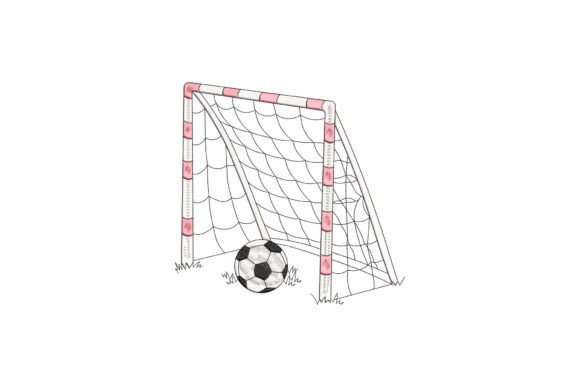
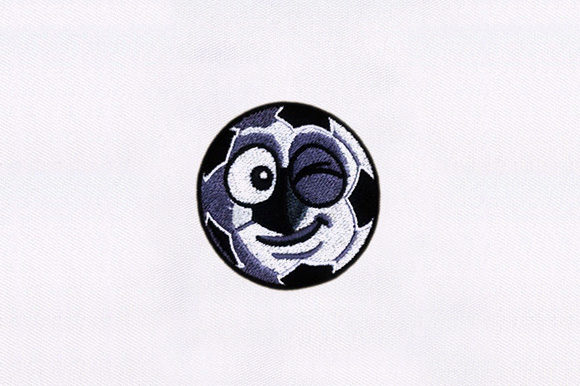
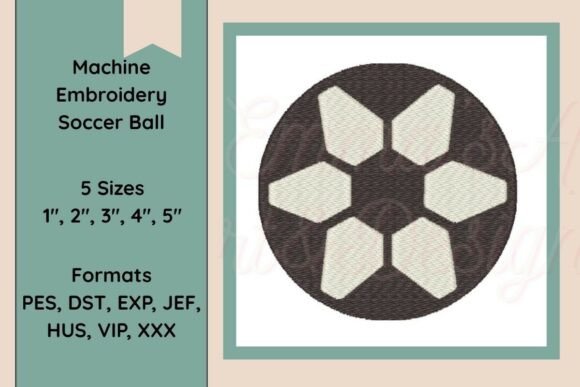
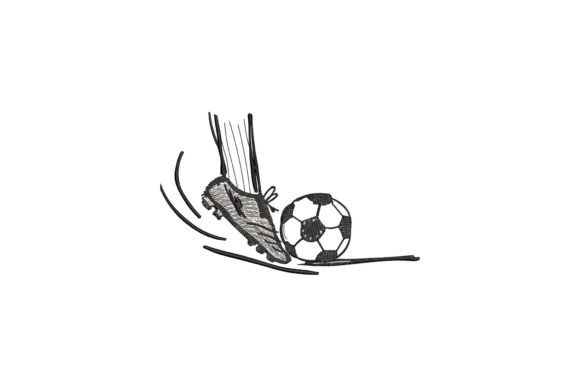
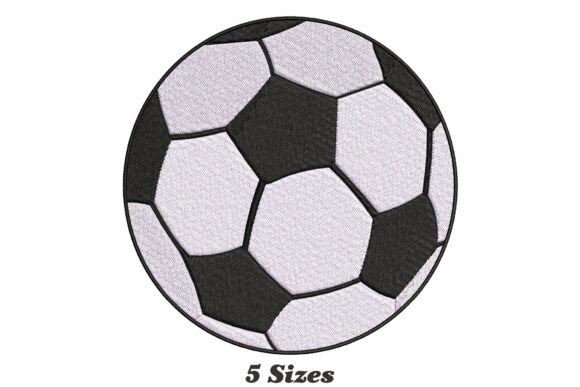
As an embroidery designer who’s developed collections for boutique apparel brands and small-run lifestyle labels, my first glance at the Soccer Ball Creative Fabrica embroidery file told me everything I needed to know before hooping a single scrap: this isn’t just another sports motif. It’s got charm — that rare balance of whimsy and precision. The visual personality leans playful and upbeat without tipping into juvenile or cartoonish. Stitching mood? Confidently clean — not overly dense, but with enough definition in the pentagons and hexagons to read clearly even at 3.5 inches wide. It feels like a premium casual design: friendly enough for kids’ hoodies, refined enough for adult unisex sweatshirts, and distinctive enough to anchor a cohesive boutique brand identity.
Why Soccer Ball Fits Boutique Apparel — Not Just Sports Gear
Let’s be clear: this isn’t a team-logo replacement. The Soccer Ball machine embroidery design thrives as a lifestyle accent — think neutral oatmeal sweatshirts, dusty-rose hoodies, charcoal denim jackets, or cream canvas tote bags. Its strength lies in decorative subtlety: it adds narrative without shouting. On oversized garments, it reads as intentional minimalism. On curved surfaces like sleeve cuffs or hoodie hems, its balanced shape holds up well — no distortion if digitized thoughtfully (and based on the description, it is). For Etsy sellers building a “cozy active” or “quiet sport” aesthetic, Soccer Ball bridges athletic inspiration with everyday wearability.
Real-World Placement & Performance Notes
Sweatshirt embroidery: Ideal for left-chest placement on midweight fleece or French terry. Avoid overloading dense stitch areas near seams or ribbed cuffs — test stabilizer choice (medium-weight cutaway works best for stretch control). On dark apparel, pair with high-contrast thread colors like bright white or cobalt blue to maintain legibility.
Hoodie design options: Works beautifully centered above the pocket (classic), subtly angled on the sleeve (trend-forward), or scaled down for a back-of-neck accent. Its rounded symmetry adapts naturally to curved fabric planes — a real win for commercial embroidery shops juggling varied garment shapes.
T-shirt embroidery: Best on 100% cotton or cotton-blend tees with light to medium weight. Avoid ultra-thin jersey unless you’ve tested stabilizer pairing — the design’s clean lines can blur on highly stretchy fabric without proper support.
Tote bag & lifestyle merchandise: A standout here. The Soccer Ball embroidery file scales cleanly to 4–4.5 inches on canvas or heavy twill, adding handmade product appeal without overwhelming the surface. Perfect for seasonal bundles — think “Fall Warm-Up Kit” with matching sweatshirts, totes, and beanies.
Printable mockups & social media graphics: Because the shape is so recognizable and visually balanced, Soccer Ball photographs exceptionally well in lifestyle product photos — especially against natural textures like wood, linen, or wool. It translates smoothly into digital assets for Etsy listings or Instagram carousels, reinforcing visual consistency across your small shop product line.
Where to Use Soccer Ball — and Where to Pause
This design shines when placed intentionally — not everywhere. Avoid tiny chest placements under 2.75 inches; detail gets lost. Steer clear of highly ribbed fabric (like some vintage-style knit collars) unless you’ve confirmed stitch density won’t snag between ridges. On curved surfaces like shoulder seams or deep V-necks, always test hoop alignment first. And never skip the scrap-fabric run — especially with fleece or brushed fabrics where nap direction affects sheen and coverage.
How Soccer Ball Elevates Your Brand — Beyond the Stitch
For creative entrepreneurs, every embroidery file is a quiet brand ambassador. Soccer Ball contributes to buyer trust because it signals attention to detail: balanced spacing, consistent stitch tension cues, and thoughtful digitizing. When customers see that same clean soccer motif across your sweatshirts, totes, and limited-edition hoodies, it builds product recognition — no logo required. That consistency strengthens visual storytelling, making your boutique brand feel intentional, curated, and professional. In a crowded handmade market, that perceived polish directly impacts customer engagement and repeat purchase likelihood.
Practical Designer Notes Before You Embroider
- Always test on scrap fabric that matches your final garment’s weight, stretch, and texture — especially for sweatshirt embroidery or hoodie design applications.
- Review stabilizer choice carefully: medium-weight cutaway for knits, tear-away for stable wovens like denim or canvas.
- Confirm thread color contrast — bright white or lemon yellow pops on navy; heather gray softens contrast on pastels.
- Check Creative Fabrica product details for hoop size compatibility and file formats before importing into your embroidery software.
- Inspect stitch density visually — look for smooth curves and no thread nesting in the black-and-white sections.
- Compare placement options using printable mockups before committing to production runs.
- Verify licensing terms directly on Creative Fabrica — especially if planning commercial embroidery or resale of finished apparel.
Final Thought: A Small Design With Big Stylistic Range
The Soccer Ball machine embroidery design proves that sports-themed embroidery doesn’t have to mean logos, mascots, or loud branding. It’s a quietly confident motif — one that supports your boutique brand rather than overshadowing it. Whether you’re an Etsy seller launching your first custom apparel line, a small embroidery shop curating seasonal designs for local boutiques, or a creative entrepreneur building a lifestyle-focused collection, Soccer Ball delivers flexibility, charm, and professional-grade execution. Just remember: its value multiplies when paired with intention — in placement, thread selection, stabilizer strategy, and brand context. That’s where craftsmanship meets commerce — and why this little ball keeps rolling forward in my own design toolkit.