Wedding Floral Embroidery Pattern 11
A Designer’s First Look: Delicate, Timeless, and Gift-Ready
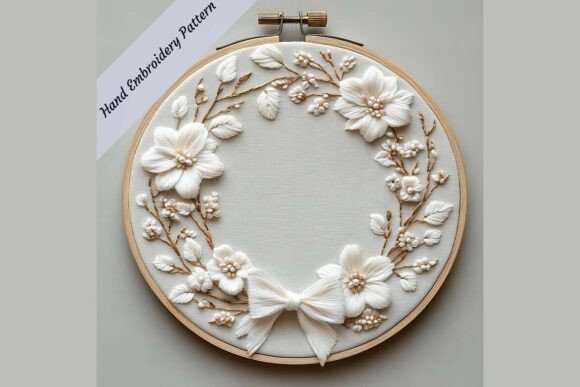
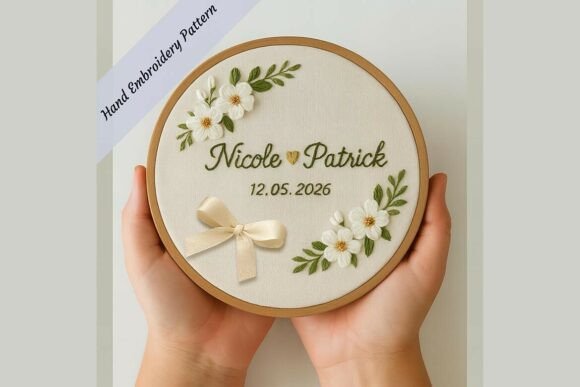
As an embroidery designer who’s developed over 200 hand and machine patterns for wedding keepsakes, baby blankets, and small-batch gift shops, my first impression of Wedding Floral Embroidery Pattern 11 was immediate: it breathes quiet elegance. The composition—delicate white flowers nestled among soft green leaves—feels intentionally restrained, not fussy. It’s romantic without being saccharine, modern without sacrificing warmth. There’s no heavy outlining or dense fill stitching; instead, the design leans into negative space and gentle line work, making it feel authentically handmade—even before a single stitch is placed. For customers seeking personalized gifts that whisper “thoughtful” rather than shout “decorative,” this pattern lands perfectly.
Where This Design Truly Shines
Wedding Floral Embroidery Pattern 11 isn’t just for wedding hoops—it’s a versatile anchor for meaningful personalization across product categories:
- Baby embroidery: Ideal for onesies (on stable cotton), swaddles, and nursery wall hangings—its soft botanical motif reads as tender and gender-neutral.
- Wedding gifts: Stitched onto linen pillow covers, monogrammed tea towels, or framed hoop art, it becomes a subtle heirloom touch—not competing with the couple’s aesthetic, but enhancing it.
- Family keepsakes: When paired with a handwritten date or initials in a clean sans-serif thread, it transforms a simple blanket or quilt square into a tactile memory.
- Small shop products: As a digital embroidery file, it scales beautifully for Etsy listings—especially when shown in printable mockups on kitchen towels, canvas totes, and aprons. Buyers instantly visualize it in their own homes.
- Nursery decor & custom totes: Its balanced scale and open layout prevent visual clutter, making it ideal for items meant to be both functional and serene.
Smart Placement Matters—Here’s Where to Pause
This design rewards intentionality. Because Wedding Floral Embroidery Pattern 11 relies on fine line work and airy spacing, some applications need extra care:
- Avoid tight curves or stretchy fabrics like ribbed baby bodysuits—delicate stems and petal outlines may distort during wear or washing.
- Test on textured fabric first: Thick terry cloth towels or heavily woven linen can swallow fine details. If using on an embroidered towel, opt for smoother cotton or bamboo blends.
- Dark fabric demands contrast checks: White flowers on navy or charcoal require high-contrast thread (e.g., bright ecru or ivory) — always run a printable mockup and test stitch on scrap.
- Small lettering? Not built-in. This is a Graphics-class pattern—pure illustration, no text. If you plan to add names or dates, treat them as separate elements and confirm alignment in your embroidery software.
- Frequent-wash items need reinforcement: For baby blankets or kitchen linens, use tear-away + cut-away stabilizer combo and check stitch density—overly sparse fills may snag over time.
Why Customers Trust—and Buy—This Kind of Personalized Gift
When shoppers browse Etsy or a local craft fair, they’re not just buying thread and fabric—they’re investing in emotional resonance. Wedding Floral Embroidery Pattern 11 supports that trust in three quiet ways:
- It photographs beautifully: Clean lines and tonal harmony mean less editing, more authentic flat-lays—ideal for social media and product galleries.
- It signals craftsmanship: The absence of heavy saturation or cartoonish detail tells buyers, “This wasn’t mass-produced. Someone chose this with care.”
- It invites connection: A bride sees it on a pillow cover and imagines her bouquet; a new parent pictures it beside a tiny foot—this design doesn’t dominate, it accompanies.
That emotional alignment lifts perceived value. A $38 embroidered tea towel feels like a $65 heirloom when anchored by a pattern like this.
Practical Notes Every Maker Should Run Before Stitching
Before adding Wedding Floral Embroidery Pattern 11 to your next batch of custom orders, take these five low-effort, high-impact steps:
- Test on scrap fabric—same fiber content and weight as your final product. Watch how stems hold shape after hooping and stitching.
- Confirm thread color contrast, especially if offering light-on-dark options. Ivory thread on black linen reads differently than on oatmeal.
- Verify hoop size compatibility. Though labeled a “hand embroidery hoop design,” many buyers adapt it for machine use—ensure your recommended hoop fits comfortably within your standard frame range.
- Review stitch density in your embroidery software. If it’s unusually light, consider adding one pass of satin stitch along key outlines for durability—especially for pillow covers or tote bags.
- Double-check commercial licensing. As a Graphics-type digital embroidery file, its terms determine whether you may sell finished products at scale. Never assume—always confirm before listing on Etsy or supplying wholesale.
Final Thought: A Pattern That Serves the Moment
Wedding Floral Embroidery Pattern 11 doesn’t try to be everything. It’s not bold, maximalist, or trend-driven. Instead, it offers what handmade sellers truly need: quiet confidence, cross-category flexibility, and emotional clarity. Whether you’re stitching a baby’s first blanket, prepping a wedding gift suite, or building your next Etsy collection of Hand Embroidery Patterns, this design earns its place—not as background filler, but as a thoughtful, repeatable signature. In a market flooded with noise, sometimes the most powerful personalized gift is the one that simply lets love speak softly, clearly, and beautifully.