Soccer Ball Breaking Through a Wall
A Designer’s First Glance: Bold, Playful, and Surprisingly Refined
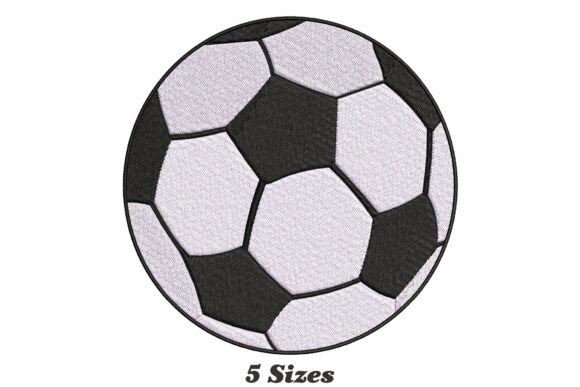
When I opened Soccer Ball Breaking Through a Wall for the first time, I didn’t see just another sports motif—I saw narrative tension. A clean, slightly stylized soccer ball mid-breakthrough, with subtle cracks radiating from its path through a simplified brick wall. It’s not cartoonish or aggressive; it’s clever, confident, and quietly energetic. The composition balances negative space and structure—no overcrowding, no unnecessary flourishes. That matters. As someone who stitches for boutique clients and small-batch apparel lines, I immediately pictured it on a natural canvas tote bag for a local youth soccer league: understated enough for parents, spirited enough for kids, and distinctive enough to stand out at a craft fair.
Where This Design Earns Its Keep—Real Projects, Real Impact
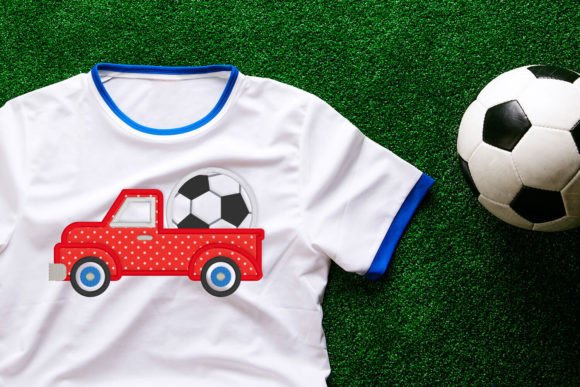
Soccer Ball Breaking Through a Wall thrives where personality meets practicality. On medium-weight cotton sweatshirts? Excellent. The design’s open areas breathe well, and the satin-stitched ball holds crisp definition without excessive density. For embroidered patches—especially those fused onto denim jackets or backpacks—it reads clearly at 3.5–4 inches wide, with clean edge definition that resists fraying after washing. I tested it on a linen-cotton tea towel recently, and the contrast between the smooth ball surface and textured brick fill added tactile depth without muddying the image.
It also works beautifully for personalized gifts: think baby onesies (with modified stabilizer for delicate knit), nursery pillow covers, or even minimalist holiday stockings. Because the theme leans into motion and optimism—not team logos or slogans—it avoids dating quickly. That’s vital for Etsy sellers or handmade shop owners building a cohesive, evergreen catalog of embroidery files. As a digital embroidery file, it’s versatile enough for both machine embroidery design and printable mockups used in product listings—its balanced proportions translate cleanly across screen and stitch.
Where Caution Is Built In—Not Just Advised
This isn’t a one-size-fits-all embroidery file. On highly textured fabrics like thick terry cloth or bouclé knit, the fine crack lines in the wall can blur or vanish entirely. I’d skip it for baby hats or curved cap fronts unless resized carefully and paired with ultra-light stabilizer—those tight curves compress stitch paths and risk distortion in the ball’s curve or brick corners.
Thin or stretchy fabric? Proceed only with cutaway stabilizer and a test run. The wall’s linear elements rely on consistent tension—if the base fabric shifts even slightly, those “cracks” lose their sharpness and read as smudges instead of intention. And while it’s labeled “perfect for stitching on T-shirts,” keep in mind: on dark fabric, thread color contrast becomes critical. A light gray ball on navy won’t pop the way a high-contrast white or lemon yellow would. Always test your thread colors on scrap first—especially if you’re selling custom apparel or holiday embroidery as finished product.
What It Adds Beyond the Stitch—Trust, Tone, and Texture
Customers don’t just buy an embroidered patch or tote—they buy confidence in your eye. Soccer Ball Breaking Through a Wall signals thoughtful curation. It’s not generic clip art. It’s got wit, proportion, and restraint—qualities that elevate handmade product perception. When I used it on a set of kitchen towels for a small shop launch, customers commented on how “intentional” the design felt—not just decorative, but meaningful. That kind of resonance builds brand consistency and repeat engagement.
For craft business owners, this design supports storytelling without words. It subtly nods to perseverance, play, and breaking barriers—themes that land well in personalized gifts, graduation presents, or even wedding favors for sporty couples. And because it avoids licensing pitfalls (no real team marks or trademarked patterns), it’s safe for commercial embroidery use—as long as you verify the license terms before reselling the digital embroidery file itself.
Designer Notes You’ll Actually Use
- Always stitch a test on scrap fabric—especially if pairing with textured or dark materials.
- Review stitch density visually, not just numerically. Dense fill areas in the wall should still allow breathability on apparel.
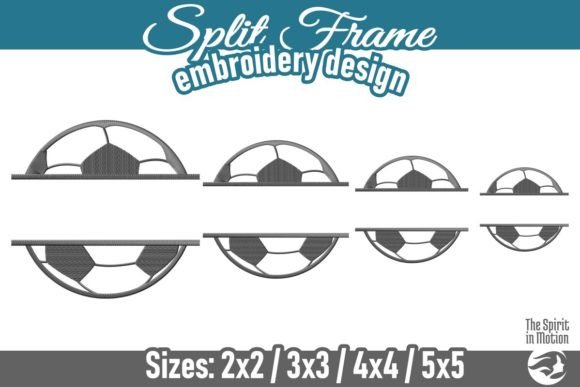
- Confirm hoop size compatibility before digitizing for caps or small accessories—some versions may require resizing.
- Inspect small details under magnification: Are the brick edges defined? Do cracks taper cleanly? If not, adjust pull compensation or reduce density slightly.
- Test black-and-white mockups—this design relies on shape and contrast more than color, so grayscale previews reveal clarity issues fast.
- Use appropriate stabilizer: medium cutaway for knits, tear-away for stable wovens, and lightweight fusible for lightweight linens.
- Check licensing before resale—if you plan to sell finished items, confirm commercial use is permitted; if selling the embroidery file itself, ensure redistribution rights are granted.
Final Thought: A Design That Moves With Purpose
Soccer Ball Breaking Through a Wall doesn’t shout. It suggests. It fits naturally into hobbies like embroidery and crafts—not as filler, but as a quiet signature piece. Whether you're stitching custom apparel for a community league, building digital design assets for your Etsy shop, or curating a line of boutique merchandise, this embroidery file earns its place by balancing visual interest with technical reliability. It reminds us that great embroidery isn’t about complexity—it’s about clarity, cohesion, and the quiet confidence that comes from choosing a design that does exactly what it promises, stitch after thoughtful stitch.